The dark web is a hidden segment of the internet that requires special software for access, most commonly the Tor browser. Within this environment, users can find a range of content, including forums, marketplaces, and various types of services. A crucial aspect of navigating the dark web effectively involves understanding onion links, which are unique web addresses ending in '.onion'. These links provide access to resources that are not indexed by traditional search engines, making them elusive and often associated with anonymity and privacy.
1. Understanding Onion Links
Onion links are specifically designed to be accessed through the Tor browser, which anonymizes user activity by routing connections through multiple servers worldwide. This structure makes it virtually impossible to trace users back to their original IP addresses, thus providing a level of privacy that is appealing to many. Each onion link usually comprises a string of random letters and numbers that directs users to a specific hidden service. The use of these links ensures that the content or service cannot be easily discovered or indexed by conventional search engines like Google or Bing. The anonymity provided by Tor is a significant draw for both legitimate and illicit activities, contributing to the diverse nature of the dark web.
To fully utilise the dark web, users must take certain precautions. For instance, it is advisable to have a strong understanding of the potential risks involved, including the possibility of encountering illegal activities or malware. Additionally, users should consider measures for their safety, such as using virtual private networks (VPNs) in conjunction with Tor. This approach adds an extra layer of security and helps to preserve anonymity while navigating the dark web.
2. Risks Associated with Dark Web Exploration
Exploring the dark web presents numerous risks, both from a legal and security perspective. Users may inadvertently engage with illegal content or encounter scams designed to exploit unwary individuals. As the dark web is home to various illicit markets, including those dealing in stolen financial information, users must be vigilant and prepared for the potential consequences of their actions. A common concern among users is the presence of credit card skimming devices, which can be encountered in both physical and online transactions. Learning how to check for credit card skimmers becomes crucial when engaging in any financial transactions on the dark web.
In addition to scams, there are also security threats that can compromise personal data. Malware and phishing attacks are rampant in dark web forums and services, as malicious actors seek to exploit users' vulnerabilities. Understanding how to protect oneself against such threats is essential for anyone considering an exploration of this hidden part of the internet. Basic measures include keeping security software updated, being cautious about sharing personal information, and recognising the signs of phishing attempts.
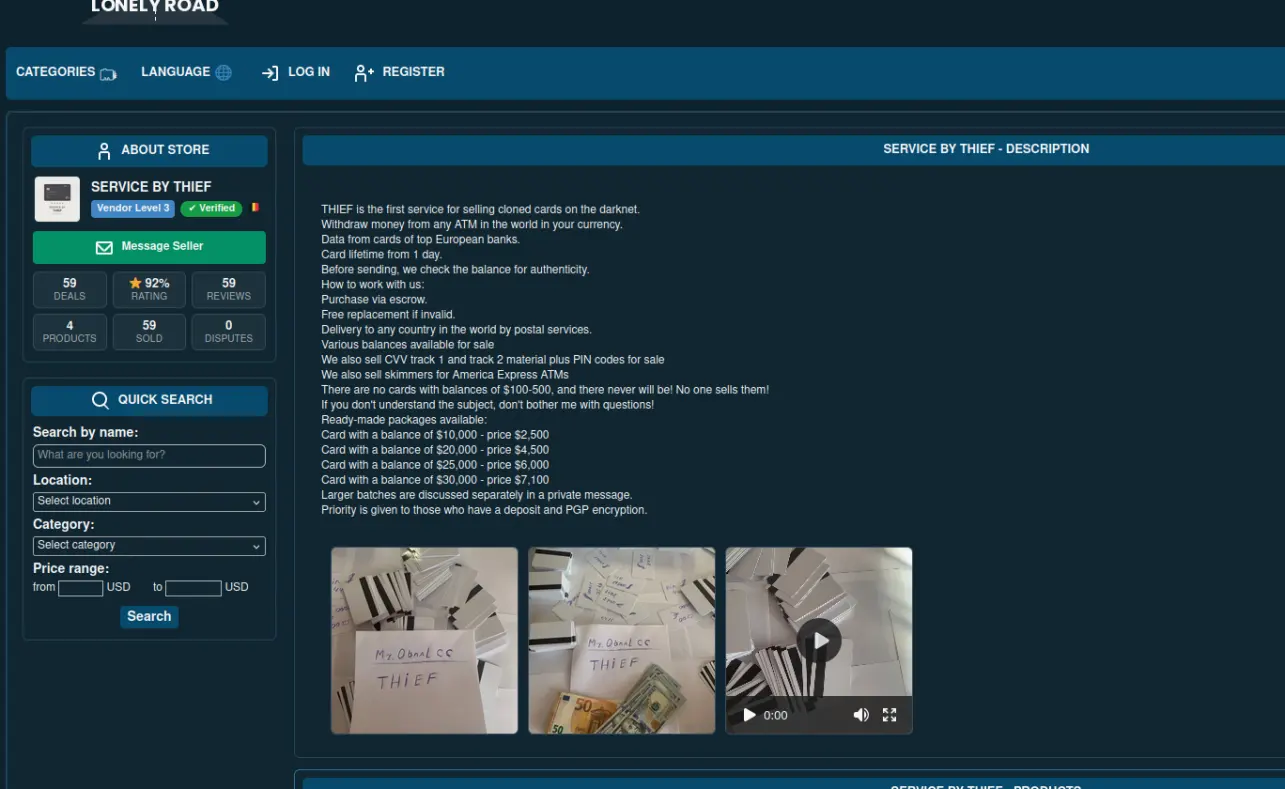
Carding, the act of using stolen credit card information for fraudulent purposes, is one of the more pervasive activities found on the dark web. Within carding forums, users share tips, tools, and experiences related to credit card fraud. Discussions may involve how to check for credit card skimmers, understanding gadgets like credit card skimmer protectors, and sharing ATM skimmer images to educate others on recognising such devices. The knowledge exchanged in these forums can be instrumental for those involved in or researching cybercrime, though it also poses risks for participants.
Individuals engaging with or investigating these forums should exercise caution. It is vital to approach discussions with a critical mindset and to be aware that law enforcement agencies monitor such activities. Furthermore, many of these forums are breeding grounds for various scams where inexperienced users might lose money or compromise their personal data. A general principle of safety while navigating these environments is to maintain a low profile, avoiding discussions of personal identification or location.
4. Methods of Financial Protection
To mitigate the risks associated with online and ATM transactions, implementing effective credit card skimming protection measures is essential. This includes being aware of how to tell if a card reader has a skimmer and what signs to look for when using ATMs. Important steps involve checking for any unusual attachments on card readers or devices that seem out of place. Additionally, it is advisable to use credit card skimmer detectors, which can alert users to potential skimming devices on ATMs or point-of-sale systems.
Before conducting any financial transactions, verifying the security of the system in use can help prevent falling victim to fraud. Measures such as using credit cards with advanced fraud detection systems, enabling transaction alerts, and frequently monitoring account activities can significantly enhance security. Maintaining a cautious approach to financial interactions online is foundational in protecting oneself from the many threats present in digital financial environments.
Accessing the dark web, particularly through onion links, requires careful navigation and a comprehensive understanding of associated risks. It is imperative for users to stay informed about the potential dangers, as well as protective measures that can be implemented to secure their personal information and finances. Whether exploring for research or other purposes, remaining vigilant against scams and fraud is essential for a safer experience.
OnionGuide provides comprehensive information on exploring the dark web securely.
Common questions
What is a dark web onion link?
A dark web onion link is a specific type of URL that ends with '.onion', requiring the Tor browser for access. These links direct users to hidden services not indexed by standard search engines.
How can I protect myself while exploring the dark web?
To protect oneself while exploring the dark web, it is important to use a VPN alongside the Tor browser, be cautious of sharing personal information, and stay informed about scams and malware.
What is carding?
Carding refers to the use of stolen credit card information to make fraudulent purchases or withdrawals. It often occurs in dark web forums where users share tools and techniques.
How can I tell if an ATM has a skimmer?
To identify if an ATM has a skimmer, examine the card reader for any unusual attachments, check for loose or misaligned parts, and observe whether the ATM looks different from typical machines.
Related resources
These services are useful starting points for further research. Onion directory.
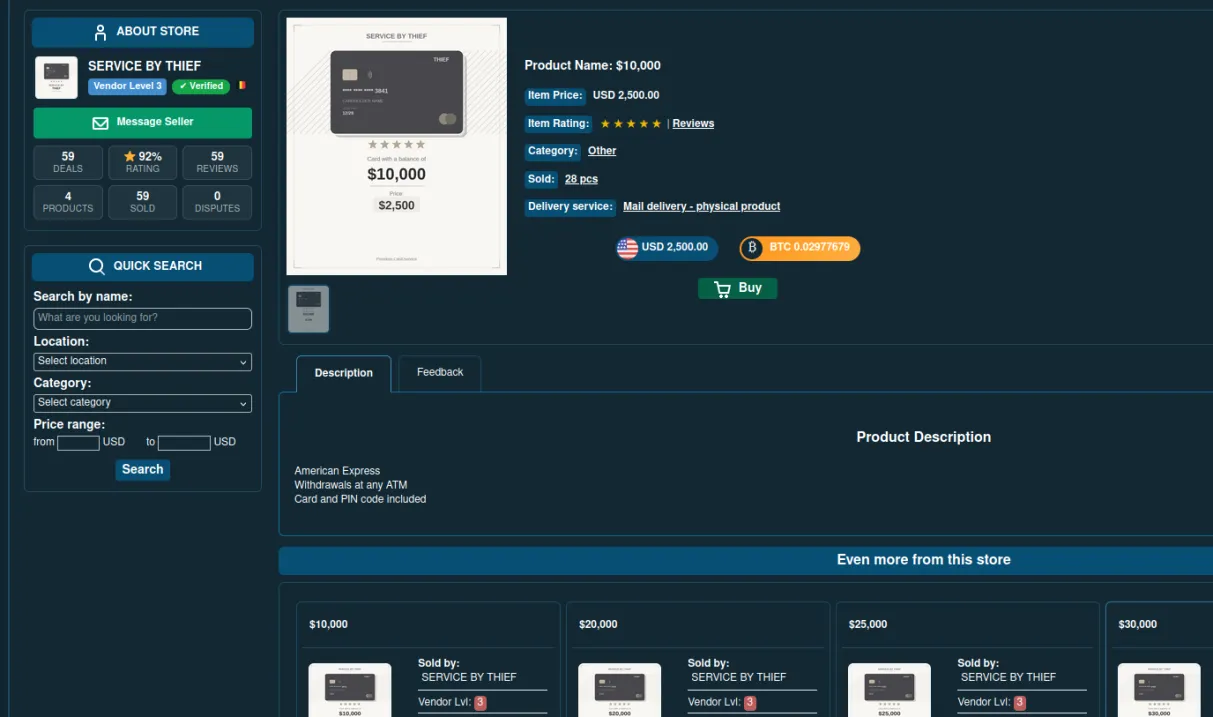
 Tor Browser Wiki: Comprehensive Resource for UsersExplore the Tor Browser Wiki for in-depth information on Tor, its features, and how it enhances online anonymity and security.
 The Onion Dark Web Browser: Features and UsageExplore the features and usage of the Onion dark web browser to navigate the Tor network safely and access hidden content.
 Dark Web Hidden Wiki Reddit: Community InsightsExplore insights from the Dark Web Hidden Wiki Reddit community, uncovering valuable resources and discussions about navigating the dark we…
 Tor Browser Links Telegram: Accessing Channels SafelyDiscover how to safely access Telegram channels using Tor Browser links, ensuring your privacy and security while navigating the dark web.